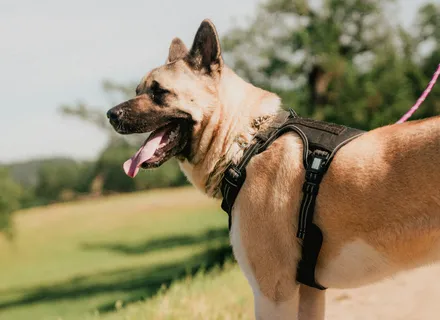
Summer in the Toronto and Greater Toronto Area means longer days, warmer trails, and the perfect conditions for exploring the outdoors with your dog. It also means the return of ticks, fleas, mosquitoes, and the parasites they carry. According to the Ontario SPCA, tick and flea season in Ontario runs from March through November, and with increasingly mild winters, many veterinarians now recommend year-round parasite prevention. Before you lace up your hiking boots and clip on the leash, a thorough preparation checklist ensures your dog stays safe, healthy, and protected throughout the season. This guide covers everything from parasite prevention and trail safety to post-hike inspections and the gear you need to make every outdoor adventure worry-free.
Why Does Summer in Ontario Require Extra Pet Preparation?
Ontario’s warm, humid summers create ideal conditions for ticks, fleas, and mosquitoes to thrive. The blacklegged deer tick, which transmits Lyme disease, has expanded its range across southern Ontario in recent years. Heartworm-carrying mosquitoes are active from May through November. Fleas reproduce rapidly in warm weather and can infest your home within days of hitching a ride on your dog. Preparing before the season begins is far easier and cheaper than treating an infestation or infection after the fact.
The tick threat in the GTA
The Toronto and GTA area sits squarely within the expanding range of the blacklegged tick. These ticks are found in forested areas, tall grass, leaf litter, and along the edges of popular hiking trails. Once attached, a blacklegged tick can transmit the Lyme disease bacterium in as little as 24 to 48 hours. Early removal and prevention are critical.
Fleas are not just a nuisance
Fleas cause far more than itchy skin. Heavy infestations can lead to anemia, especially in puppies and small breeds. Flea allergy dermatitis, triggered by a reaction to flea saliva, is one of the most common skin conditions veterinarians treat. Fleas also carry tapeworm larvae, which infect dogs that ingest an infected flea during grooming.
Heartworm and mosquitoes
Heartworm disease is transmitted through mosquito bites and is extremely difficult, expensive, and dangerous to treat once established. Preventive medication is simple and effective, but it must be started before exposure and cannot kill adult heartworms already present. A spring blood test and a prevention plan from your veterinarian are essential steps.
What Should Your Spring Parasite Prevention Plan Include?
A comprehensive prevention plan addresses ticks, fleas, heartworm, and intestinal parasites in one coordinated strategy. Schedule a veterinary wellness visit in early spring to review your dog’s prevention needs, run a heartworm and tick-borne disease blood test, and select the right products for the season ahead.
Annual spring wellness check
Book your dog’s spring wellness appointment by April to allow time for blood test results before heartworm season begins in June. Your vet will assess your dog’s overall health, update vaccinations (including Lyme disease vaccination for high-risk dogs), and recommend a parasite prevention protocol tailored to your dog’s breed, age, weight, and lifestyle.
Choosing the right prevention products
Prevention products come in several forms: oral chewables, topical spot-on treatments, and collars. Each has advantages depending on your dog’s tolerance and lifestyle:
- Oral chewables: Products like NexGard, Bravecto, and Simparica Trio are popular for active, outdoor dogs because they are not affected by swimming or bathing. Some formulations combine tick, flea, and heartworm protection in a single monthly or tri-monthly dose.
- Topical treatments: Applied between the shoulder blades, products like Frontline Plus and Advantage II provide effective flea and tick coverage. They are a good option for dogs that refuse oral medications.
- Preventive collars: Seresto collars provide up to eight months of continuous flea and tick protection and can be paired with a separate heartworm preventive.
Your veterinarian is the best resource for choosing the right combination. Avoid over-the-counter products without veterinary guidance, as incorrect dosing or product interactions can be harmful.
Heartworm prevention timeline
In Ontario, heartworm prevention should start by June 1st and continue through November 1st. The medication works retroactively, killing heartworm larvae transmitted in the previous 30 days. Missing even one dose can leave your dog vulnerable. Set a monthly reminder and keep doses on a consistent schedule.
How Do You Prepare Your Dog for Summer Hiking?
Preparation for trail adventures starts well before you reach the trailhead. Build your dog’s fitness gradually, ensure all preventive treatments are current, pack the right gear, and know the trail conditions and leash regulations before you go.
Build fitness gradually
If your dog has been less active over winter, avoid jumping straight into long or strenuous hikes. Start with shorter walks on flat terrain and gradually increase distance and elevation over several weeks. This prevents muscle strains, joint stress, and overexertion. For guidance on appropriate activity levels, see our guide on how much exercise your dog needs.
Pre-hike grooming
Trim overgrown fur, especially around the paws, ears, and underbelly, to reduce the number of places where ticks can hide and burrs can collect. A clean, well-brushed coat makes post-hike tick inspections far easier. Our grooming team offers pre-adventure grooming packages that include nail trimming, paw pad conditioning, and a thorough deshedding treatment.
Know your trail
Research trail conditions, difficulty level, and dog regulations before heading out. Many Toronto-area trails require dogs to be leashed at all times. Popular dog-friendly options in the GTA include:
- Rouge National Urban Park: One of North America’s largest urban parks, with scenic trails through forest and meadow. Dogs must be leashed.
- Crothers Woods and Don Valley trails: Beautiful ravine trails within the city, ideal for moderate hikes with varied terrain.
- High Park: Over 400 acres with both on-leash trails and a designated off-leash area.
- Scarborough Bluffs: Dramatic lakeside views along a 6.8-kilometre trail. Dogs must be leashed.
- Humber River Valley: Extensive trail system in Toronto’s west end with scenic views and historic landmarks.
- Bronte Creek Provincial Park: Multiple trails plus two off-leash dog areas, perfect for a full day out.
Choose weekday mornings when possible to avoid crowds, reduce encounters with unfamiliar dogs, and enjoy cooler temperatures.
What Should You Pack for a Summer Hike With Your Dog?
A well-packed trail bag keeps your dog safe and comfortable throughout the adventure. Essentials focus on hydration, parasite protection, first aid, and identification.
The complete trail pack checklist
- Fresh water and a collapsible bowl: Dogs need roughly 50 to 100 mL of water per kilogram of body weight daily, and exercise in warm weather significantly increases demand. Carry more water than you think you will need.
- Tick removal tool: A fine-tipped tick remover or tick key allows safe, complete removal without squeezing the tick’s body, which can push infectious material into the bite site.
- Pet first aid kit: Include gauze, adhesive wrap, antiseptic wipes, a digital thermometer, tweezers, and an emergency vet contact card (our Burlington pet emergency page lists the local 24/7 clinics and poison hotlines).
- Paw protection: Wax or booties protect pads from hot surfaces, sharp rocks, and rough terrain. Browse paw protection options at our Cute Stuff section.
- Pet-safe sunscreen: Apply to the nose, ear tips, and any thinly furred areas. Use a pet-specific product with at least SPF 30.
- Cooling bandana or vest: Soak in water before the hike to help your dog regulate temperature through evaporative cooling.
- Poop bags: Leave no trace on the trail.
- Leash and harness: A sturdy six-foot leash provides control while giving your dog room to explore safely.
- Updated ID tags and microchip information: Ensure your contact information is current on both your dog’s collar tag and microchip registration. Collars can break or slip off on rugged trails.
For a curated selection of trail-ready pet gear, visit our Cute Stuff collection where we stock veterinarian-recommended hydration accessories, first aid supplies, and cooling products.
How Do You Perform a Proper Post-Hike Tick Check?
A thorough tick inspection after every outdoor outing is one of the most important things you can do to protect your dog from Lyme disease and other tick-borne illnesses. Ticks can be as small as a poppy seed, so careful, systematic checking is essential.
The full-body inspection method
Within two hours of returning from any trail or grassy area, perform a complete inspection:
- Start at the head: Check inside and behind the ears, around the eyes, and along the muzzle. Ticks gravitate to warm, sheltered areas.
- Check the neck and collar area: Remove the collar and run your fingers through the fur. Ticks frequently attach beneath collars and harnesses.
- Inspect the legs and paws: Feel between each toe, around the dewclaws, and along the inner legs where fur is thinner.
- Examine the belly and groin: These warm, less-furred areas are prime attachment sites.
- Check under the tail and around the rear: Another warm, protected zone that ticks favour.
- Run your hands along the back and sides: Part the fur and feel for any small bumps that could be an embedded tick.
How to safely remove a tick
If you find an attached tick, use a fine-tipped tick remover or tweezers. Grasp the tick as close to the skin surface as possible and pull straight out with steady, even pressure. Do not twist, crush, or squeeze the tick’s body. Clean the bite area with antiseptic and save the tick in a sealed container, since your veterinarian may want to identify the species and test for Lyme disease. Monitor the bite site for redness or swelling over the following weeks.
The bedtime second check
Ticks can crawl on your dog for hours before attaching. The Toronto Humane Society recommends a final check before bedtime, even if you already inspected your dog after the hike. A tick that was crawling earlier may have since latched on.
What Other Summer Hazards Should You Prepare For?
Ticks and fleas are the headline concerns, but summer brings additional risks that belong on your preparation checklist.
Heat and hydration
Heatstroke can develop in minutes during vigorous activity on warm days. Schedule hikes for early morning or evening, carry abundant water, and watch for signs of overheating such as excessive panting, drooling, and lethargy. For a deep dive into heat safety, read our complete guide on summer heat and hydration.
Paw pad injuries
Hot pavement, sharp rocks, and rough trail surfaces can crack or burn paw pads. Test pavement with the back of your hand before walks. If it is too hot to hold for seven seconds, it is too hot for paws. Apply paw wax before hikes and inspect pads afterwards for cuts, blisters, or embedded debris.
Wildlife encounters
GTA trails are home to raccoons, skunks, coyotes, and porcupines. Keep your dog leashed and on marked trails to minimize encounters. If your dog is bitten or quilled, seek veterinary attention immediately. Ensure rabies vaccination is current.
Toxic plants and blue-green algae
Familiarize yourself with common toxic plants on Ontario trails, including wild parsnip, giant hogweed, and poison ivy (which can transfer oils from fur to your skin). Blue-green algae blooms in warm lake and pond water can be fatal to dogs, so avoid stagnant, discoloured water and do not let your dog drink from unfamiliar sources.
Seasonal allergies
Spring and summer pollen can trigger allergic reactions in dogs, causing itching, redness, and ear infections. If your dog shows allergy symptoms during outdoor season, our guide on spring allergies in dogs covers diagnosis, treatment, and prevention strategies.
Your Complete Summer Pet Prep Checklist
Use this consolidated checklist to ensure your dog is fully prepared for a safe, active summer season:
Veterinary preparation
- Schedule a spring wellness exam by April
- Complete heartworm and tick-borne disease blood testing
- Update vaccinations, including Lyme disease vaccine if recommended
- Start flea and tick prevention by early spring
- Begin heartworm prevention by June 1st
- Discuss a parasite prevention protocol tailored to your dog’s lifestyle
Grooming and physical preparation
- Trim overgrown fur around paws, ears, and underbelly
- Professional deshedding treatment for double-coated breeds
- Nail trimming and paw pad conditioning
- Build exercise endurance gradually over several weeks
Trail gear
- Collapsible water bowl and extra water
- Tick removal tool and pet first aid kit
- Paw protection wax or booties
- Pet-safe sunscreen (SPF 30 or higher)
- Cooling bandana or vest
- Sturdy six-foot leash and harness
- Poop bags
- Updated ID tags and microchip registration
Post-adventure routine
- Full-body tick inspection within two hours
- Second tick check before bedtime
- Paw pad inspection and cleaning
- Rinse coat to remove pollen, burrs, and debris
- Monitor for any changes in energy, appetite, or behaviour over the following days
Get your dog summer-ready with Pawlington. Book a pre-adventure grooming session for deshedding, nail trimming, and paw conditioning. Stock up on tick removal tools, cooling gear, and trail essentials at Cute Stuff. For dogs that love group adventures on local trails, ask about our guided outdoor excursions led by experienced handlers who know the best dog-friendly routes in the GTA. Contact us today to start planning a safe, active summer for your dog.