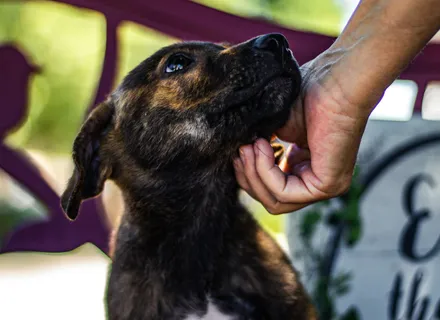
Adopting a dog is one of the best decisions you can make. It’s also one of the most disorienting weeks of your life, especially if your new dog has been through a lot. Burlington has a strong rescue community, the Burlington Humane Society and Hamilton/Burlington SPCA between them place hundreds of dogs each year, and most of those dogs land in homes that genuinely care, but aren’t always sure what the first weeks are supposed to look like. This is the local guide we wish every new adopter had: what to expect, when to ask for help, and which Burlington spots to use as your dog grows into your routine.
Where Most Burlington Rescue Dogs Come From
Three local channels account for the majority of Burlington adoptions, and the type of dog you bring home varies by source.
Burlington Humane Society
A no-kill shelter that takes in strays, owner surrenders, and transfers from overflowing rural pounds. The dogs come in with widely varying histories, some have lived in homes their whole lives, some have been on the street for weeks. The team does temperament assessments before placement and is upfront about what they know and don’t know about each dog.
Hamilton/Burlington SPCA (HBSPCA)
Larger operation covering Hamilton, Burlington, and surrounding Halton communities. Strong adoption infrastructure, in-house veterinary hospital, and an active foster network for medical and behavioural cases. Many HBSPCA dogs have come through foster homes, so the available behaviour information is often richer.
City of Burlington Animal Shelter
Handles strays found within city limits and owner surrenders directly to the municipality. Smaller operation, appointment-only, often the source for dogs with the least known history.
Rescue groups and breed-specific rescues
Beyond the big three, dozens of smaller rescues operate in the GTA, breed-specific groups (golden retriever, Bernese, doodle), regional rescues that pull from Quebec and the Maritimes, and international rescues (Mexico, Turkey, Romania, Iran). These dogs come with the most variable backgrounds and the longest adjustment periods.
Whatever the source, the framework that follows applies.
The 3-3-3 Framework
The most widely used adjustment timeline among rescue trainers and behaviourists is “3-3-3”, the first 3 days, the first 3 weeks, and the first 3 months. It’s not an exact science, but it captures the general arc of what most rescue dogs go through.
The first 3 days: decompression
Your dog is in shock, even if they don’t look it. New smells, new people, new sounds, new routine, for a dog that may have been bounced through multiple environments already, it’s overwhelming.
What you might see:
- Hiding, refusing to eat, sleeping excessively
- Pacing, panting, refusing to settle
- House soiling even from previously house-trained dogs
- Refusing to make eye contact or accept affection
- Shadowing one specific family member and panicking when they leave the room
What to do:
- Lower the stimulation. No visitors. No long walks. No tour of the neighbourhood. Quiet house, predictable routine, plenty of rest.
- Skip the dog park, even just to “show them around”. This is the most common first-week mistake we see.
- Give them a safe space. A crate, a bed in a corner, a baby-gated room. Let them retreat when they want to.
- Keep food simple. Whatever the shelter was feeding, ideally for the first week. Switch later, gradually.
- Don’t punish accidents. Clean up and move on.
- Walk only what you have to. Quick potty walks on a back street are better than enrichment walks for now.
What you should NOT read into this period: a dog who is shut down for the first 3 days is not necessarily a shut-down dog. A dog who growls at strangers is not necessarily an aggressive dog. A dog who refuses to eat is not necessarily a sick dog. Wait.
The first 3 weeks: settling
Around day 4-10, most dogs start to show their actual personality. The hiding-and-shutdown phase eases. They might start playing, asking for affection, or testing boundaries (counter-surfing, garbage diving, ignoring recall).
What you might see:
- Increased energy and curiosity
- Stronger bonding with specific family members
- First signs of anxiety triggers (deliveries, other dogs on walks, men in hats)
- Selective hearing and “naughty” behaviour as they get comfortable
- Sleep patterns starting to normalize
What to do:
- Start building routines. Feed at the same time. Walk at the same time. Bedtime at the same time. Predictability is what rescue dogs need most.
- Begin gentle training. Reward calm behaviour. Teach “sit” for meals. Use treats for eye contact. Don’t drill, just create positive associations.
- Introduce new environments slowly. One new place per week. Quiet residential streets first, then a quiet park, then more stimulating environments.
- Watch for triggers. Note what your dog reacts to. This becomes your training plan.
- Don’t start formal classes yet. Most trainers will tell you to wait until week 4+ for group classes.
The first 3 months: bonding
By week 4-6, your dog usually feels like they live with you. By month 3, they often feel like they’ve always lived with you. The relationship is established, the routines are working, and the dog you know is the dog you have.
What you might see:
- Confident behaviour in familiar environments
- Clear preferences and personality
- Some lingering triggers, these become the focus of training
- Trust that they can rely on you
What to do:
- Start formal training if needed. Group class, private trainer, or a behaviourist for serious issues.
- Try daycare if your dog is social. An assessment day first, then build up gradually. Many rescues love it once they understand the routine.
- Expand the walking world. Now is when Centennial Bike Path, Spencer Smith Park, and conservation area trails become possible, see our Burlington summer guide for specific recommendations.
- Schedule a vet visit if you haven’t already. The shelter usually does basic care, but a full workup with your own vet establishes a baseline.
Common Early-Days Problems and What to Do
”My dog won’t eat”
Very common in the first 2-3 days. Stress suppresses appetite. Try the same food the shelter was using, served in a quiet spot, no pressure. If they’re still refusing food after 48 hours, call your vet, but expect this to be normal early on.
”My dog is following me everywhere”
Velcro behaviour is normal in the first weeks. Don’t punish it. As the dog settles, you can build independence slowly, short closed-door practice (you on one side, them on the other) for a few seconds at a time, increasing gradually. If shadowing becomes intense after week 3-4, read our separation anxiety guide for the proper protocol.
”My dog growled at me / lunged at someone on a walk / snapped at a child”
In the first weeks, these are stress responses, not character flaws. The dog is overwhelmed and using the only language they have to ask for space. Listen to it. Reduce the trigger, give them more room to decompress, and consult a force-free professional trainer if it persists past the first 3 weeks. Our deep dive on reactivity vs. aggression covers the distinction.
”My dog hasn’t pooped in 3 days”
Very common for the first 2-3 days. The combination of stress, new food, and unfamiliar surroundings often delays things. As long as your dog is otherwise alert and eating, it usually resolves in 4-5 days. Past that, vet.
”My dog destroyed something when I left them alone”
Day 1-5 destruction is usually panic. The fix isn’t punishment, it’s not leaving them alone yet. Build up to alone time slowly: 5 minutes, then 15, then 30. If destruction continues past week 3-4, you might be dealing with separation anxiety rather than adjustment.
”My dog is amazing at home but a nightmare on walks”
Very common with rescues. Most weren’t socialized to busy environments. Start small, quiet streets, low-traffic times, and increase exposure gradually. Don’t take a brand-new rescue to a busy Saturday morning Spencer Smith Park walk and expect them to cope.
Where to Walk a New Rescue in Burlington
The dog parks and busy waterfront paths are great destinations for a settled dog. They are the worst possible first walks for a new rescue.
Good first walks (weeks 1-3)
- Your own street, midday. Quiet, familiar, predictable.
- Surrounding residential streets. Low traffic, few off-leash dogs.
- The end of Spencer Smith Park in the early morning (weekday before 8am) if you want some lake breeze. Skip weekends.
Good build-up walks (weeks 3-6)
- Centennial Bike Path on a weekday morning. Wider, fewer encounters than weekends.
- Kerncliff Park midweek. Quieter than weekend hours, with shaded escarpment trails that let dogs decompress.
- A quiet section of the waterfront trail east of Burlington Beach.
Save these for once your dog is settled (month 3+)
- Norton Park, Bayview Park, Lakeside Park, Roly Bird Park, Tansley Woods, any off-leash park. Off-leash environments are too much for most new rescues. Wait until they’re confident with you, with the leash, and with other dogs in a structured setting.
- Bronte Creek Provincial Park on a weekend.
- Saturday morning Burlington farmers’ market.
If you’re not sure whether your dog is ready, ask. Walking them past a dog park (on leash, on the outside of the fence) is a useful test, do they engage calmly, or do they bark, lunge, or freeze? The answer tells you how close they are.
When to Bring in Professional Help
Some patterns deserve a phone call sooner rather than later:
- Bite or attempted bite, even mild, within the first week, consult a force-free professional. Don’t wait to see if it gets better.
- Severe separation anxiety, panic-level distress when left alone, ideally consult a Certified Separation Anxiety Trainer (CSAT) or veterinary behaviourist.
- Sustained shutdown past 3 weeks, if your dog still won’t engage, eat reliably, or show personality by week 4, a vet workup first (medical causes), then a behaviourist.
- Reactivity that’s escalating, barking and lunging at triggers that’s getting worse, not better, after the first month. Get help.
- Self-injurious behaviour, scratching at doors, broken teeth from chewing crate bars, paw sores from licking.
Force-free credentials to look for: KPA-CTP, CPDT-KA, CDBC, IAABC, CSAT, or a board-certified veterinary behaviourist (DACVB). Avoid trainers who promise fast results, lean heavily on tools, or talk about dominance.
When Daycare Becomes a Good Idea
Most rescues are not daycare candidates in the first 3-4 weeks. They’re still figuring out the basics. After that, daycare can be one of the best things you do for a rescue dog, structured social play, predictable routine, and trained handlers managing the environment.
What makes a dog a good daycare candidate after adjustment:
- Engages with other dogs without fixation or extreme avoidance
- Recovers from arousing situations within a reasonable time
- Can eat and drink in new environments
- Sleeps well at home after busy days
What makes a dog NOT a good daycare candidate:
- Bite history
- Sustained fearful or fearful-aggressive responses to other dogs
- Severe noise sensitivity
- Resource guarding that escalates
A reputable facility will do a temperament assessment before enrolling and will tell you honestly if your dog isn’t a fit. Our guide to choosing between daycare, boarding, and pet sitting covers the decision in detail.
A Realistic First-Year Roadmap
| Phase | Time | Focus |
|---|---|---|
| Decompression | Days 1-3 | Quiet house, simple food, minimal stimulation, no visitors |
| Settling | Weeks 1-3 | Routines, gentle training, quiet walks |
| Building | Weeks 3-8 | Wider walks, first vet visit, start formal training if needed |
| Bonding | Months 2-3 | Confident routine, daycare trial, deeper training |
| Adventure | Month 3+ | Off-leash parks (if temperament suits), conservation trails, regular socialization |
This timeline assumes a relatively healthy adjustment. Some dogs take longer. Some surprise you and accelerate. Watch your dog, not the calendar.
How Pawlington Supports Rescue Families
A meaningful share of our daycare and training clients are recent rescue adopters. Some specific ways we work with rescue families:
- No-pressure meet-and-greets. Bring your dog by, let them sniff the space without commitment. If they’re not ready, we’ll tell you.
- Slower-paced daycare assessment. We can run a quieter first day with fewer dogs if your rescue is on the sensitive side.
- One-on-one excursions as an alternative to group daycare for dogs who aren’t quite social.
- Training with force-free, evidence-based methods, the right approach for the vast majority of rescue dogs.
- Coordination with your vet or behaviourist if a fuller plan is in place.
If you’ve recently adopted from BHS, HBSPCA, or any other rescue, we’d love to meet your dog when you feel they’re ready. There’s no rush.
Adopting a rescue is one of the most rewarding things you can do. The first weeks are also the hardest, and most of the panic-googling new adopters do is about behaviours that are completely normal adjustment, not red flags. Be patient with your dog, be patient with yourself, and ask for help when something doesn’t feel right. Reach out to us and we’ll point you toward the right next step.